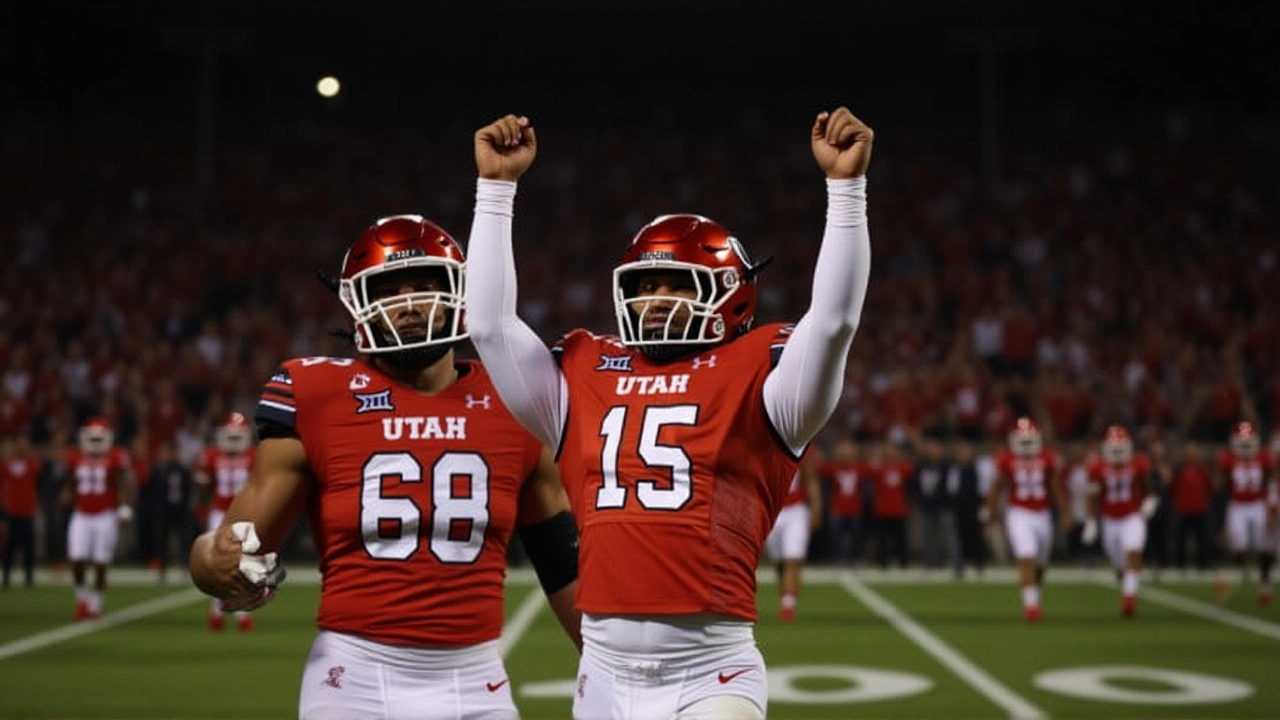
The University of Utah Utes aren’t just dreaming of a playoff spot—they’re inches away from reality. Ranked No. 12 in the third College Football Playoff rankings released on November 18, 2025, the Utes have surged into the conversation with an 8-2 record, a one-spot jump from their previous ranking. The win over Texas Tech that knocked the Longhorns out of the top five didn’t just shake up the standings—it opened a sliver of hope for Utah to sneak into the expanded 12-team field. And here’s the thing: they might not even need a miracle. Just two wins. Against Kansas and Kansas State. Teams with a combined 7-7 conference record. Easy? Not exactly. But doable.
How Utah Got Here
The University of Utah didn’t get here by accident. Under longtime head coach Kyle Whittingham, who’s led the program since 2005, the Utes have built a reputation for toughness, discipline, and late-season surges. Their two losses this year? To BYU (ranked No. 11) and Texas Tech—both top-10 teams in the current standings. That’s not a resume of flukes. It’s a resume of battles fought against elite competition. And the College Football Playoff Selection Committee, chaired by Gary Barta, clearly noticed. As CBS Sports analyst David Cobb put it: “The committee seems to hold Utah in high regard.”That respect matters. In a year where the 12-team format is still new, the committee is weighing strength of schedule, head-to-head results, and late-season momentum. Utah’s losses came to teams ranked ahead of them. Their wins? Against ranked opponents like Oklahoma and Notre Dame. They’ve played the toughest slate in the Big 12 outside of the top three. And now, with the final two games on the horizon, they’re not just hoping—they’re calculating.
The Final Two Games and the Ripple Effect
Utah’s remaining schedule is a gift wrapped in mild danger. Kansas is 3-5 in conference play. Kansas State is 4-6. Neither is a powerhouse. But in college football, nothing’s guaranteed. A slip-up here, especially against a team fighting for bowl eligibility, could cost them everything. The Utes know it. Coach Whittingham told reporters after the Texas Tech game: “We don’t control who’s ahead of us. We only control what happens on our field.”But Utah’s fate isn’t just in their hands. It’s tangled in the outcomes of others. Oklahoma, Alabama, and Notre Dame are all tied at 8-2. If any of them lose one of their final two games, the door cracks wider. Even more critical: BYU (9-1), Utah’s in-state rival, sits at No. 11. If BYU stumbles against Cincinnati or Arizona State in their final games, the committee might have to choose between two teams from the same state. And history suggests they’d lean toward the one with the better resume—Utah.
What’s at Stake Beyond the Bracket
Making the playoff isn’t just about glory. It’s about money. About recruiting. About legacy. A 12-team berth means at least $20 million in revenue for the program—money that funds scholarships, facilities, and staff. For a school like Utah, which doesn’t have the media market of a Texas or a USC, it’s transformative. A playoff appearance would also be their first since 2021, and only their third ever under Whittingham. It would silence critics who say the Utes can’t compete with the powerhouses.And then there’s the emotional weight. Salt Lake City hasn’t seen a true national title contender since the 2008 season. This team feels different. They’re not flashy. They don’t have five-star recruits on every roster spot. But they’re consistent. They win in November. They win when it matters. And if they finish 10-2, they’ll be the most complete 10-2 team in the country.
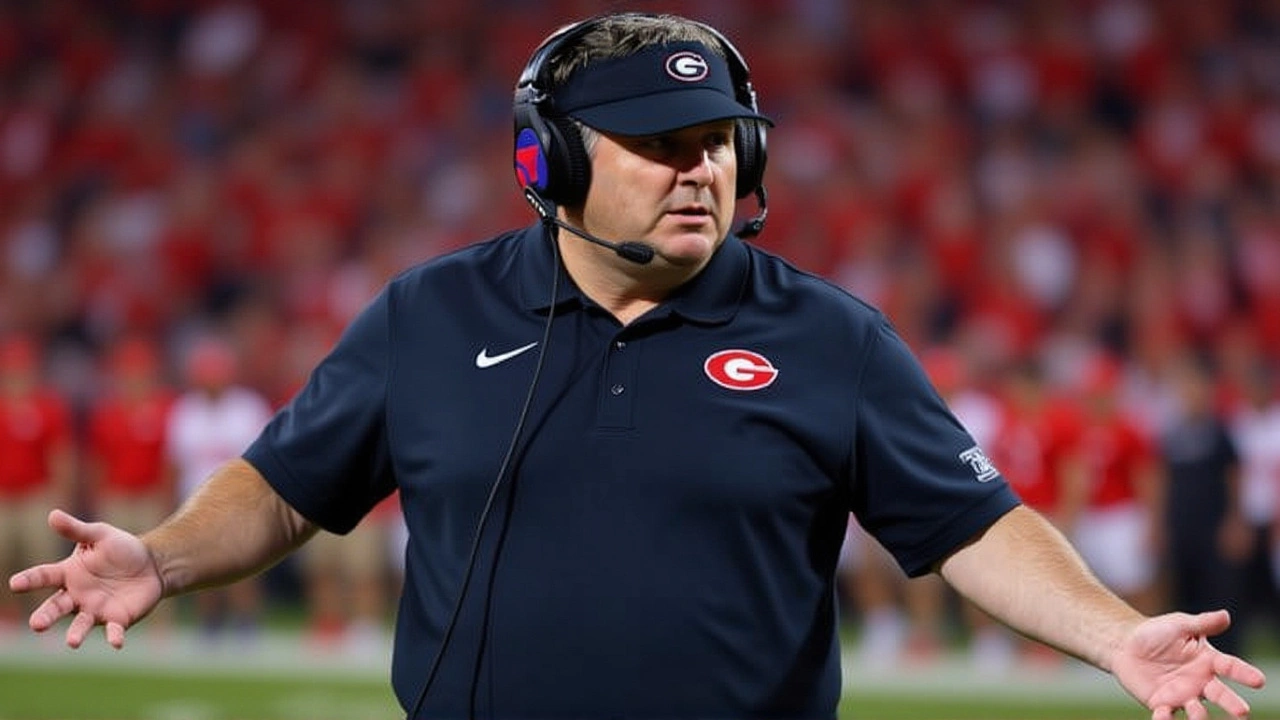
What’s Next: The Countdown to December 7
The next rankings drop on November 25, then December 2. Each one will be a pulse check. The committee will be watching: Will Tulane (8-2, No. 24) win the American Athletic Conference? Will Oregon or Ole Miss falter? Will Miami or Vanderbilt—both also 8-2—surprise someone?Utah’s path is narrow. But it’s real. And for the first time in years, the Utes aren’t just hoping to be noticed. They’re forcing the nation to look.
Frequently Asked Questions
How does this affect Utah’s chances of making the College Football Playoff?
Utah needs to win both remaining games against Kansas and Kansas State to reach 10-2. Even then, they’ll need at least one team ranked above them—like Oklahoma, Alabama, or Notre Dame—to lose. The committee has shown it values strength of schedule, and Utah’s losses came to top-10 teams. If BYU stumbles, Utah could leapfrog them as the second at-large pick. The final rankings drop on December 7, 2025.
Why is Utah ranked ahead of other 8-2 teams like Alabama and Notre Dame?
Utah isn’t ranked ahead of them—they’re ranked 12th, while Alabama and Notre Dame sit at 10th and 9th respectively. But the committee appears to be closely monitoring Utah’s path because of their strong non-conference schedule and wins over ranked opponents. Their losses to BYU and Texas Tech were to teams ranked higher than Alabama and Notre Dame, which gives Utah a stronger resume in the committee’s eyes despite having the same record.
What role does the in-state rivalry with BYU play in the rankings?
The rivalry adds pressure, but not necessarily bias. BYU is ranked 11th, one spot ahead of Utah. If BYU loses to Cincinnati or Arizona State, the committee may view Utah as the more deserving representative of the Big 12, especially if Utah finishes undefeated in their final two games. The committee has historically avoided putting two teams from the same state in the playoff unless absolutely necessary.
Who are the biggest threats to Utah’s playoff hopes?
The biggest threats are Oklahoma, Alabama, and Notre Dame—all 8-2 and ranked above Utah. If any of them win out, they’ll likely hold their spots. Tulane (8-2) is also a wildcard; if they win the AAC and finish 11-2, they could leapfrog Utah as the Group of Five representative. Even Vanderbilt and Miami, both 8-2, could steal a spot if they win their final games and Utah slips.
How does the 12-team format change the playoff landscape compared to previous years?
The 12-team format, introduced in 2025, allows four at-large bids instead of just one or two. That means teams like Utah, with 8-2 records and strong resumes, now have a real shot—even if they’re not conference champions. It also opens the door for Group of Five teams like Tulane to enter, making the field more competitive and unpredictable. The committee now has more flexibility, but also more pressure to justify its picks.
What’s the historical significance of a Utah playoff appearance?
Utah has only made the playoff twice before: in 2008 (BCS National Championship Game) and 2021 (New Year’s Six). A 2025 appearance would be their third ever and first under Kyle Whittingham since 2021. It would cement his legacy as one of the greatest coaches in program history and validate the Utes’ rise from Mountain West underdogs to Big 12 contenders. For Salt Lake City, it’s more than football—it’s national recognition.